Science class at the kitchen table. Really.
Science is the subject that gets pushed to Friday, then to next week. FlemDog does the part that needs a lab coat on camera. You do the part that needs a glass of water. The lab sheets ask the questions, one version per age.
Every video is free. Members get the sheets.
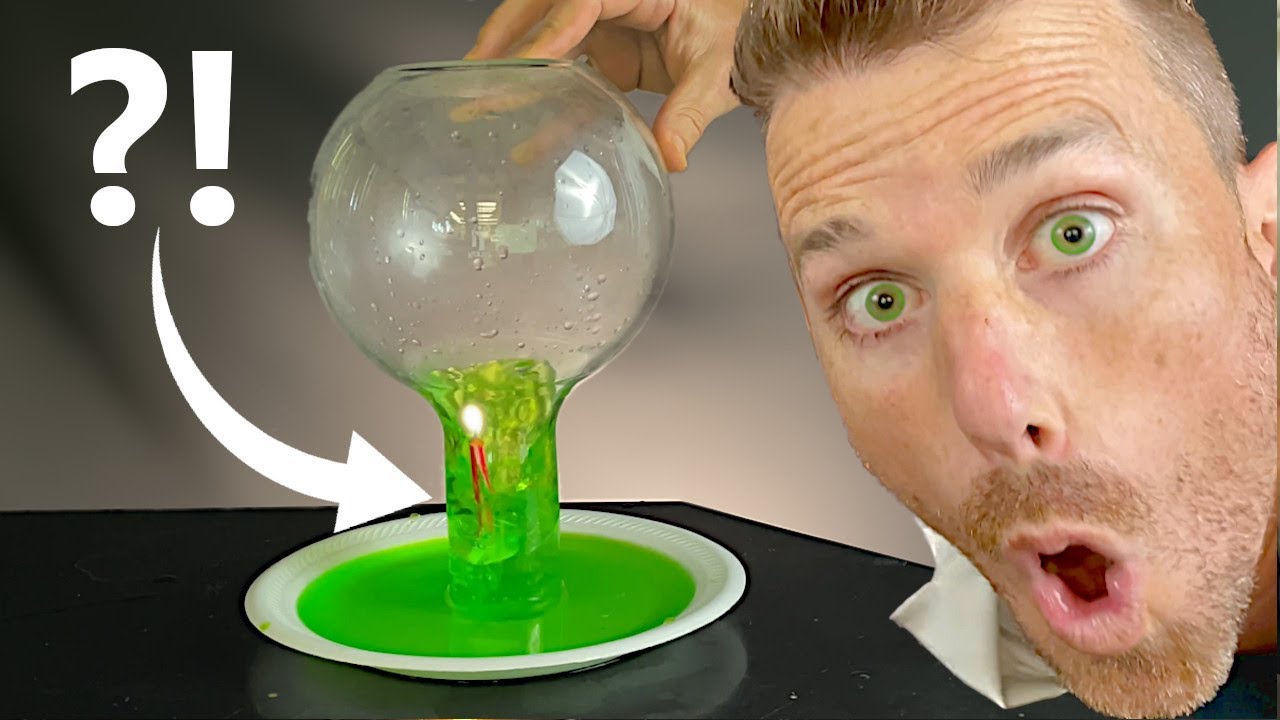
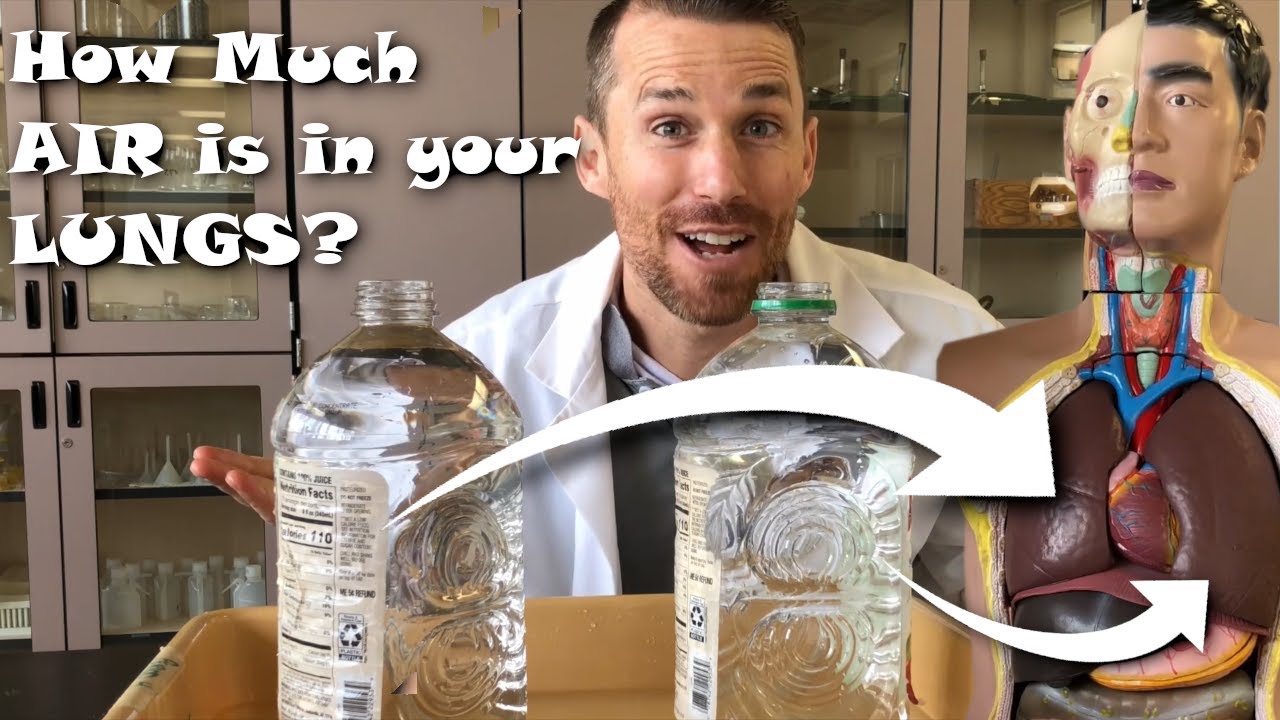
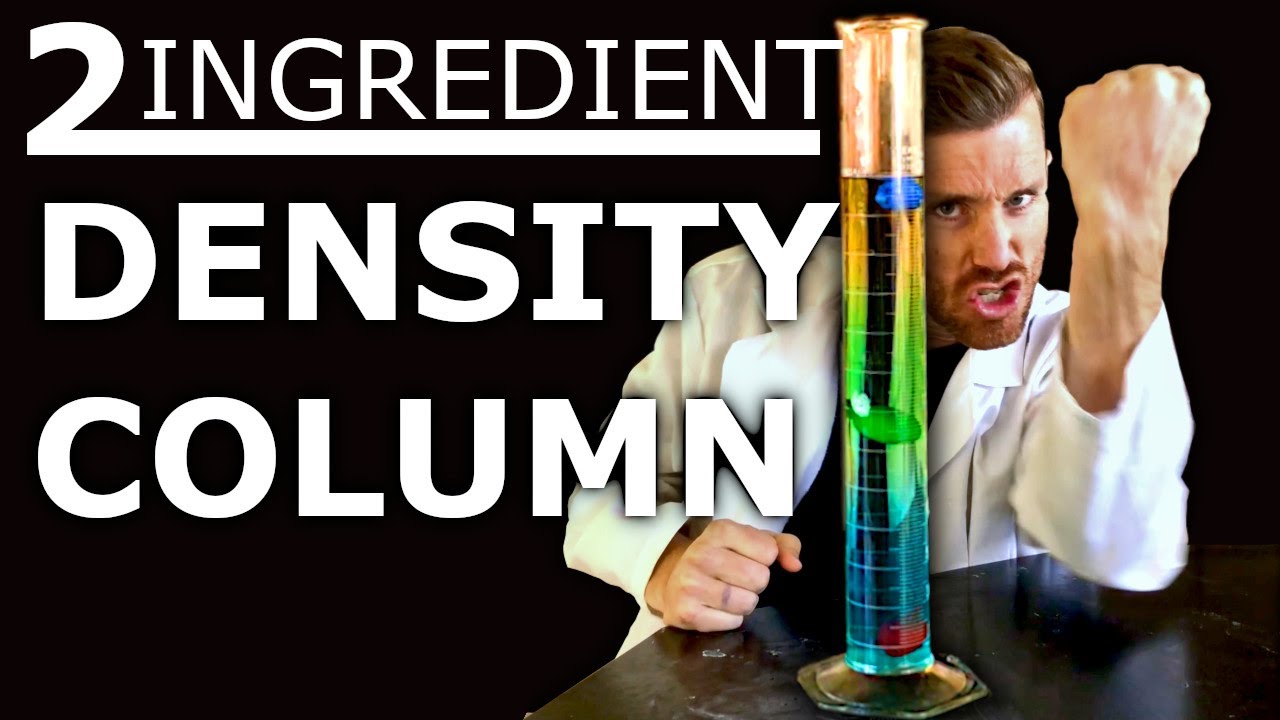
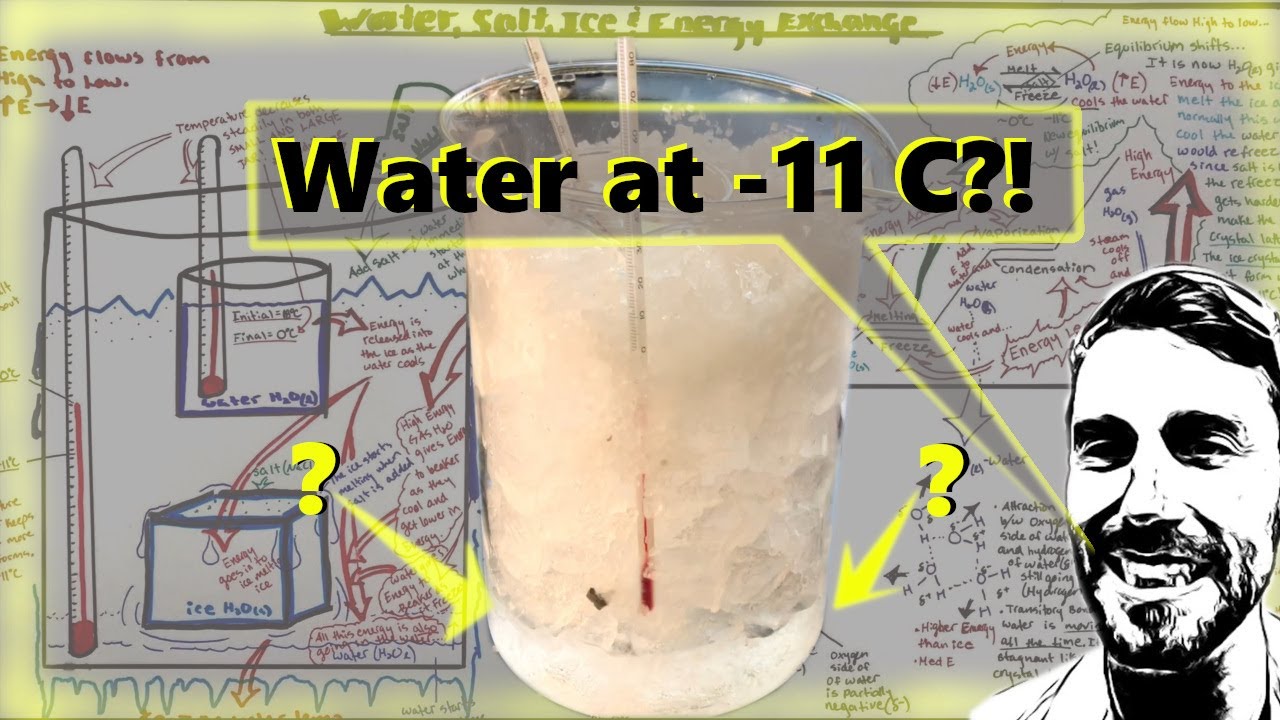
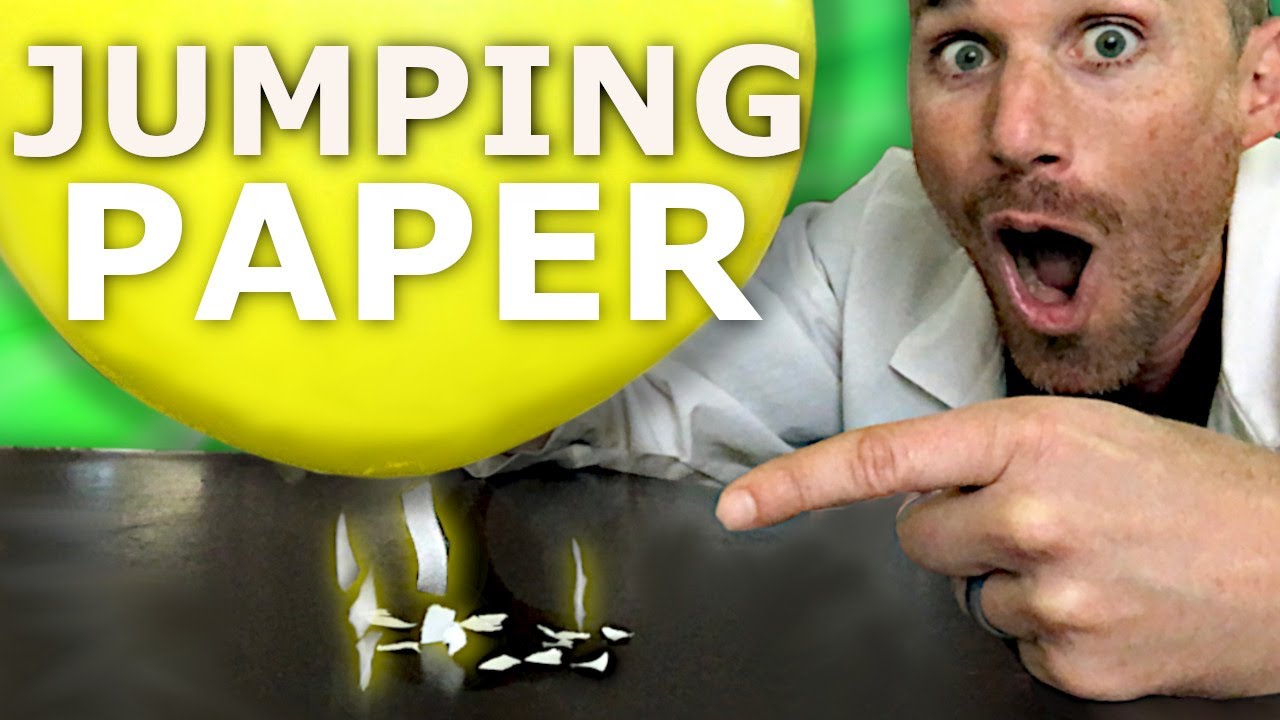
1 of 5 · 12:27
Open this lessonYou do not have to be the science teacher.
The dangerous, expensive, or messy demonstrations (sodium in water, a purple volcano, a can crushed by air pressure) happen on video, filmed in a real classroom by a teacher who explains as he goes. The safe versions come with a materials list you can check against your kitchen.
Then the sheet takes over. It asks your kid to predict, draw, measure, or explain, pitched to their age, so you are not inventing questions on the spot. You print it, they fill it in, it goes in the binder.
Teach a six-year-old and a twelve-year-old the same afternoon.
Every lesson carries a lab sheet written three times over. Your account knows each kid's age, so the right sheet is already picked out.
Draw what you saw. Circle what changed. One big question with a yes or no.
"Draw the glass before and after. Which layer is on top?"
Predict, observe, record. A short written why. One thing to change and try again.
"Why did the blue water stay under the green? What would happen with sugar instead of salt?"
Measure. Use the vocabulary. Write the explanation a scientist would accept.
"Explain the layering in terms of density. How does this relate to the ocean?"
One experiment. Five short sittings. Every kid in the house.
This is how a unit goes at the kitchen table. Nothing takes longer than a lunch.
- MonWatch and predictPlay the video. Pause before the big moment and make everyone guess.15 min
- TueDo the kitchen versionThe materials list is on the lesson. Most of it is already in a drawer.30 min
- WedThe lab sheetEach kid gets the sheet for their age. Same experiment, different questions.20 min
- ThuKahootWhen the lesson has one. Loser does the dishes.10 min
- FriExplain it backThe oldest teaches the youngest. If they can explain it, they have it.10 min
Do it in two days or two weeks. The sheets do not care.
Chemistry, physics, earth science, and the kitchen.
Each subject is a shelf of units; each unit is a run of videos on one idea, in an order that builds. Work through a shelf, or grab the unit that matches what you are doing this month.
Sheets you can keep.
Every lab sheet is a printable PDF. Filled in, dated, and filed, they are a record of the science your kids actually did, by age and by topic. Handy for a portfolio review, a charter meeting, or just for looking back in June at how much got done.
One membership covers the whole household.
Every sheet, every age band, every kid, every unit. Or buy a single unit if that is all this month needs.
- Every lab handout, for every age band
- New lessons as they land
- Cancel any time
- Every lab handout, for every age band
- New lessons as they land
- Cancel any time
Just want one topic? Every unit page has a buy button for that unit alone.
Things homeschool parents ask
The sheets come in three versions: ages 5-7, 8-10, and 11-13. The videos themselves are for anyone who likes watching things fizz, including you.
The units are the sequence. Each one is a run of lessons on a single idea, in order. Work through a subject shelf top to bottom for a term of science, or pick units to match what you are already covering.
Nothing in advance. He explains on camera, and the sheet asks the questions. If a kid asks something you cannot answer, that is what the Feedback button is for.
That is the point of the age bands. Everyone watches the same video and does the same experiment; each kid gets the sheet written for their age. One membership covers every kid in your house.
The ones with a materials list on the lesson page are. The classroom-only demonstrations (sodium, calcium, the permanganate volcano, magnesium) are marked as such and are for watching.
They are dated, printable PDFs your kid fills in by hand, so yes, most families file them as work samples. Check what your charter or reviewer asks for.
All the videos are free. Some lessons also have a free sample sheet you can print without an account.
Start with a glass of water.
The density column needs salt, water, food colouring, and a tall glass. Pick a subject and press play.